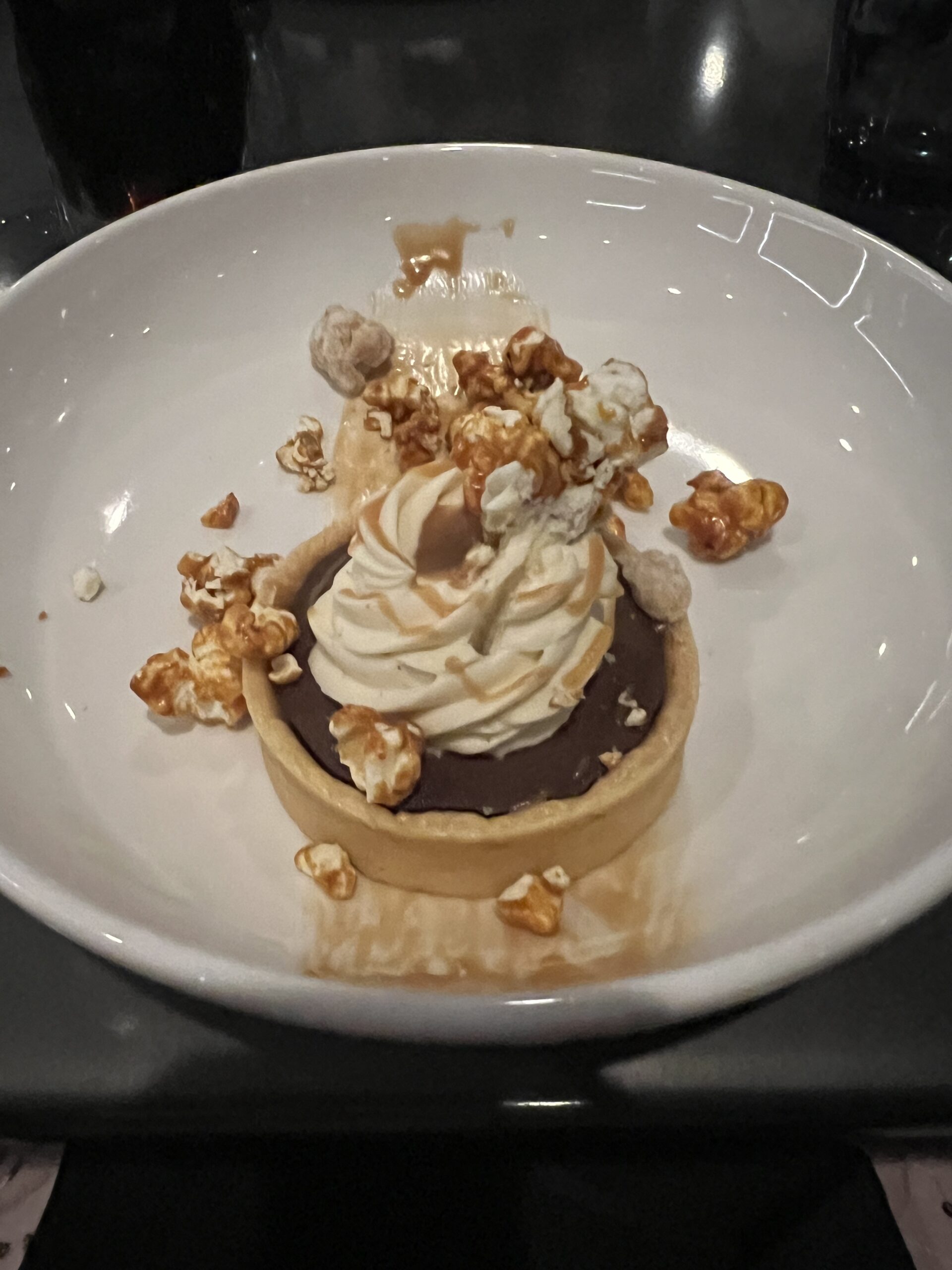
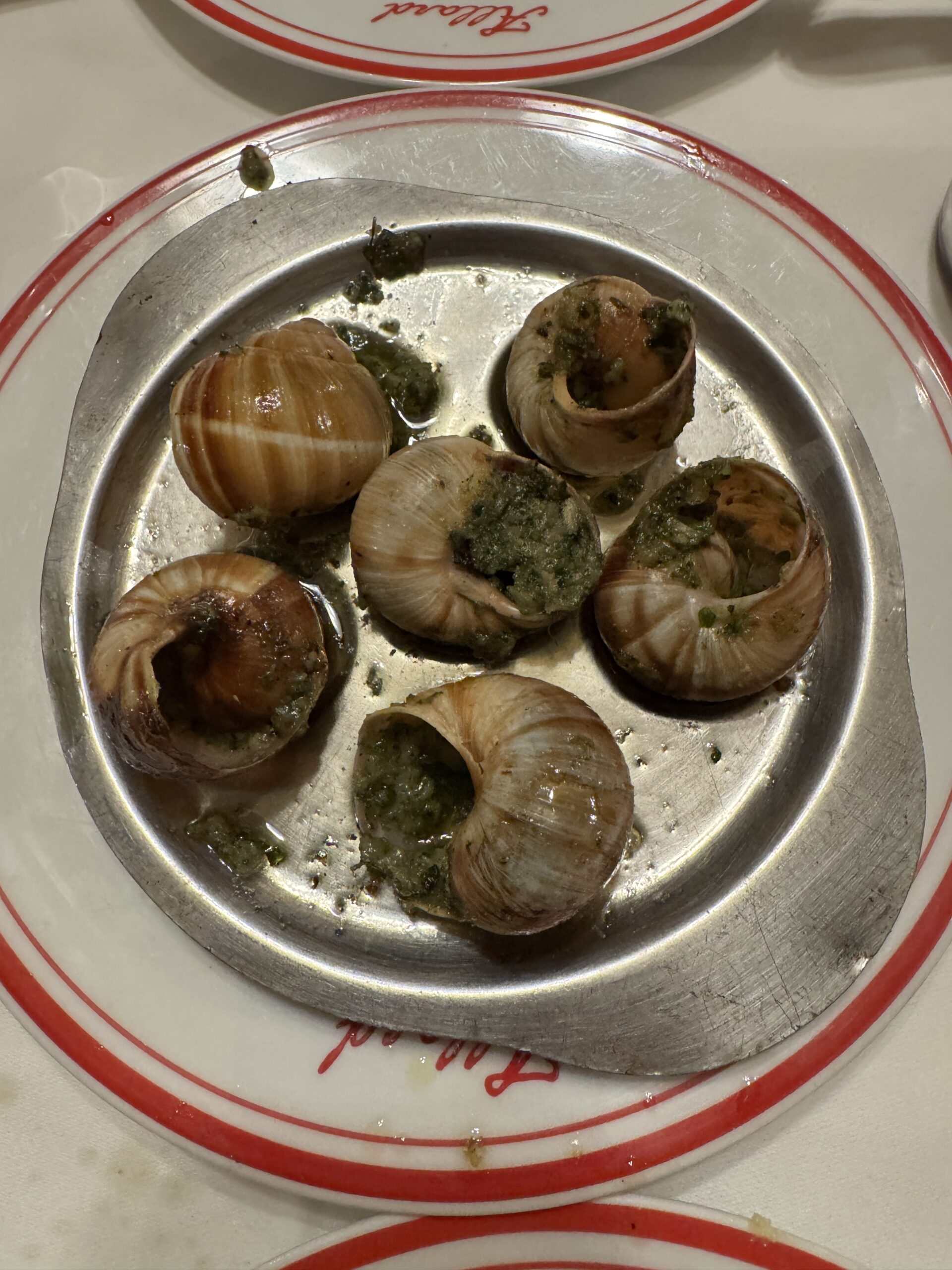
A Michelin-starred dinner in Paris ran on an entirely different clock. Securing that reservation took months, plus an outfit chosen with real intention. Fine dining at that level in Paris rewards patience over speed. Nobody is racing a countdown clock. The restaurant is curating a room, and the wait is part of how that room gets built. What stayed with me afterward was not even the food. It was the service: a plate set down at the precise right moment, a question answered before it was asked, a room managed so every table felt both attended to and entirely private. Here, the booking window for the restaurant stretches much further into the future, so understanding when each restaurant’s booking window starts and ends makes all the difference for travelers.
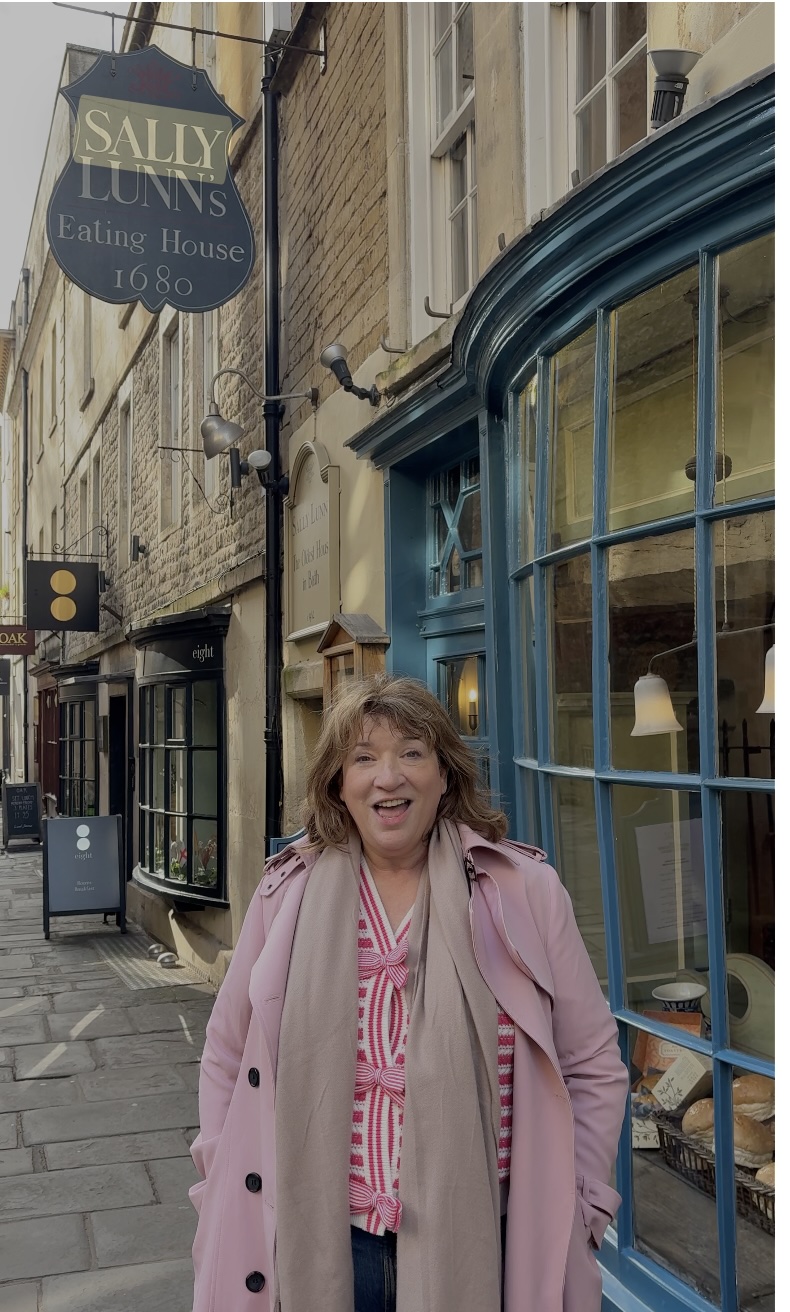
Then there is Sally Lunn’s in Bath, a tea house so old the building predates most of the city’s famous Georgian architecture. Order the Sally Lunn Bun and expect a large, brioche-adjacent bread, not a scone. This restaurant runs on no booking system whatsoever: a line, a wait, and a bit of patience get a traveler in the door. If you ever wonder how a restaurant booking window applies here, the answer is it doesn’t—there simply is no system to time your visit, only that classic line and a delicious bun. No countdown, no confirmation email, only a line and the oldest bun recipe in Bath.
How to Build a Reservation Calendar Instead of a Wish List
The fix has nothing to do with memorizing every restaurant’s individual policy before departure. The fix comes from asking three questions the moment a destination lands on an itinerary. This method is key for anyone trying to master the restaurant booking window for their entire trip.
- First: is the restaurant tied to a theme park, hotel group, or any system with a published reservation window? These operate the way Space 220 does. Mark the date that window opens and set an alarm for that morning, the way a traveler would for a flight sale. Keeping track of each booking window is crucial for these hot tables.
- Second: is the restaurant an independent fine dining spot in a major food city? These often open reservations further ahead and reward outreach that begins early, sometimes even a direct email describing the occasion. Patience and a well-chosen outfit still matter here. As a rule, every city has its own approach to the restaurant booking window.
- Third: is the restaurant a walk-in institution, the kind of place that survived for centuries without a booking system? Sally Lunn’s belongs in this category, along with a surprising number of the world’s most storied kitchens. At these tables, arrival time matters more than advance planning. There is effectively no restaurant booking window, just a line and tradition. Show up early and bring something to read.
Sorting a trip’s meals into these three categories before departure turns food travel from guesswork into a plan with real rhythm. When you do this, you will always be ahead of the restaurant booking window instead of chasing after missed tables.
Three Tables Worth an Early Alarm
None of these three restaurants ended up on an itinerary by accident. Each required understanding its particular booking rules well before the trip began. That is the actual skill behind eating well abroad, not luck and not a well-timed refresh of a reservation app. Research, timing, and a willingness to build a schedule around a meal instead of squeezing a meal into a schedule make the difference. So, mastering the delicate dance of when each restaurant booking window opens can unlock some of your most memorable travel meals.
Curious how I map out reservation windows before a group trip, plus the running list of restaurants worth an early alarm? That conversation continues on First Class Friday, my Substack, where the planning gets specific. For more tips on navigating the every-changing restaurant booking window, follow along there!


